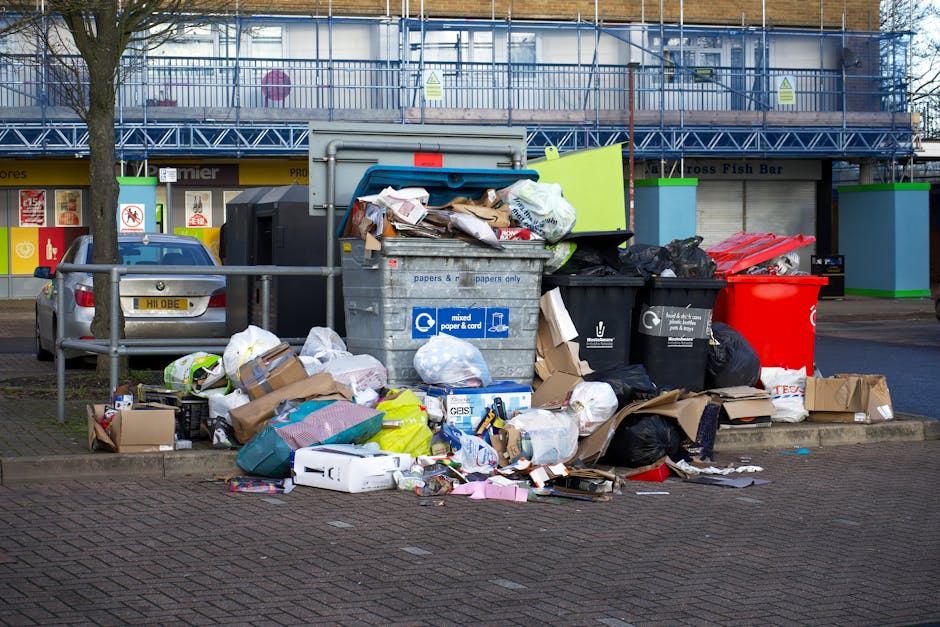
Avoid hidden fees in Southend on Sea rubbish removal: a practical guide to fair quotes
If you are trying to avoid hidden fees in Southend on Sea rubbish removal, you are probably doing the sensible thing: checking the small print before anyone turns up with a van and a vague explanation. That instinct saves money. It also saves hassle, because the cheapest quote on paper is not always the cheapest job in real life.
This guide breaks down how rubbish removal pricing should work, what hidden extras to watch for, and how to compare services with a clear head. You will also find a checklist, a comparison table, and a few real-world examples from everyday clearances around Southend on Sea. Nothing fancy. Just the stuff that actually helps when you are staring at a pile of waste and wondering what it will cost to make it disappear.
Quick takeaway: A fair rubbish removal quote should explain what is included, what could change the price, and when extra charges may apply. If those points are vague, ask again before booking.
Why hidden-fee avoidance matters
Hidden fees are not just annoying. They can turn a tidy, manageable job into a much more expensive one after the team has already arrived. In rubbish removal, the usual issue is not one giant surprise charge. It is the slow build-up of little add-ons: a labour charge here, a parking fee there, a "heavy item" surcharge, or an extra cost because the load was judged to be bigger than expected.
For households and small businesses in Southend on Sea, that matters because clearance jobs are often time-sensitive. Maybe you are moving out of a flat, clearing a garage before a council collection deadline, or getting rid of old office furniture before new stock arrives. When the clock is ticking, people often say yes too quickly. To be fair, it happens to most of us.
A clear price protects you from that pressure. It gives you room to compare properly and makes it easier to choose a company based on trust, not guesswork. That is especially helpful when you are arranging a larger job like a house clearance, a flat clearance, or a full office clearance, where the scope can change quickly if the quote was rushed.
There is also a straightforward emotional side to it. Nobody enjoys that awkward moment when the final invoice is higher than expected and the person on site starts explaining why. It is not dramatic, but it is draining. A properly explained quote avoids that little knot in your stomach.
How hidden-fee avoidance works
At its simplest, avoiding hidden fees means understanding what goes into the price before you book. A trustworthy rubbish removal quote usually has three parts: the base cost, the variables, and the exclusions. If you know those, you are already ahead of most rushed buyers.
Base cost is the starting point. It may cover travel, loading, disposal, and a standard labour allowance. Variables are the things that can change the price: volume, weight, access, number of floors, item type, and whether anything needs dismantling. Exclusions are the jobs or items not included in the quoted price unless stated otherwise.
For example, a quote for a garage clearance may sound straightforward until the team arrives and finds a locked rear access gate, a flight of stairs, and a stack of damp, heavy bags behind old cabinets. That does not mean the original quote was dishonest. It means the service needed fuller information. The problem starts when a provider does not tell you that those details matter.
Good rubbish removal companies will usually ask for photos, a rough item list, or a walkthrough description. That is a positive sign, not an inconvenience. They are trying to quote accurately, which is exactly what you want. If they give you a one-line price with no context, that is where caution kicks in.
One more thing: different services are priced differently. A garden clearance may be shaped by green waste volume and access, while builders waste clearance may need more care because rubble, plasterboard, or mixed construction waste can change handling and disposal expectations. Same van, different job. The quote should reflect that.
Key benefits and practical advantages
Clear pricing does more than save money. It makes the whole job smoother from start to finish. The benefits are practical, not theoretical.
- Budget control: You know what you are likely to pay before the team arrives.
- Fewer disputes: Everyone understands what was agreed in advance.
- Better comparison: You can compare providers on like-for-like terms.
- Less stress: There is less chance of a last-minute pricing argument.
- Faster decisions: Clear quotes make booking easier when time matters.
There is another advantage people sometimes overlook: clearer pricing often signals better operations. A company that can explain its fees usually also has a better handle on collection, disposal, and job planning. That can translate into a smoother experience on the day. You notice it in the little things - the arrival window, the clear questions on access, the way they explain what happens if there is more waste than expected.
If sustainability matters to you, clear pricing can also help you understand how waste is handled. A reputable provider should be able to explain its approach to recycling and disposal, and that is where a page like recycling and sustainability becomes useful. Not as marketing fluff. As part of the decision.
Who this is for and when it makes sense
This advice is useful for almost anyone booking rubbish removal in Southend on Sea, but some people need it more than others. If your job is simple and small, hidden fees are less likely to bite. But the bigger or messier the clearance, the more important it becomes to ask detailed questions.
You should be especially careful if you are:
- clearing a property after a move or tenancy change
- arranging a home clearance for a full household
- disposing of bulky furniture or awkward items
- booking a furniture clearance or furniture disposal job
- emptying a loft, garage, or shed with poor access
- sorting business waste that may include confidential or mixed materials
- managing an urgent builder's tidy-up after work has run late
It also makes sense if you have never booked a clearance company before. First-time customers often assume "collection" means the same thing everywhere. It does not. Some companies include loading and disposal, some include a limited labour window, and some charge extra once they are on site. That's the bit that catches people out.
And yes, even if a provider seems friendly on the phone, you still need the details in writing. Friendly is nice. Written is better.
Step-by-step guidance
Here is a practical way to keep control of the cost without turning the process into a headache.
- List everything you want removed. Write down the obvious items first, then the smaller bits you might forget: broken chairs, bags of rubbish, old boxes, lamps, bits of timber, paint tins, and so on.
- Take clear photos. Wide shots help, but close-ups matter too. If there are stairs, tight corners, or shared hallways, show those as well.
- Describe access honestly. Mention if parking is awkward, if the waste is in a loft, or if the job involves multiple floors. A five-second note can prevent a ten-minute pricing dispute later.
- Ask what the quote includes. Loading, labour, disposal, travel, VAT, parking, and minimum charge all need checking. Ask directly. It is not rude; it is sensible.
- Ask what could increase the price. Good providers will tell you the triggers in plain English. Bad ones stay vague until they arrive.
- Request a written quote or message summary. A text, email, or invoice-style breakdown is much easier to rely on than a memory of a phone call.
- Confirm the payment method. Check when payment is due, whether card or bank transfer is accepted, and whether any fees apply for certain methods. A page like payment and security is a good sign that the business thinks carefully about the process.
- Reconfirm on the day if anything changes. If the pile is bigger than expected, say so early. Honest updates are cheaper than surprises, almost always.
If you are comparing quotes for something larger, such as a loft clearance or garage clearance, this step-by-step approach really pays off. A small amount of preparation tends to make the final price more predictable. Not perfect. Just better.
Expert tips for better results
Here are the habits that tend to separate smooth, fair bookings from the ones that go sideways.
- Compare total cost, not headline cost. A low starting number can become expensive once labour, access, and disposal are added.
- Check how the company prices volume. Some services quote by load size, some by item count, and some by time on site. Make sure you know which method is being used.
- Ask whether there is a minimum charge. Small jobs can still have a minimum booking value. That is normal, but it should be stated upfront.
- Be cautious with "from" prices. They are not always bad, but they need context. From what, exactly? For which access? For how much waste?
- Keep awkward items separate. If you have heavy rubble, electrical items, or mixed waste, say so early. It helps prevent surprise handling charges.
- Look for clarity in the terms. A proper terms and conditions page should help you understand cancellation, changes, and what happens if the job is different from the estimate.
One practical tip from the field: if your waste is spread across several rooms, group it before the team arrives. It sounds simple, but it helps the quote stay accurate and can make the job quicker. Less wandering around. Fewer "oh, and there's another bit in the garden" moments. Those moments always seem innocent until they aren't.
And if you are dealing with commercial waste, it may be worth checking a dedicated business waste removal service rather than a general clearance option. Business jobs often need cleaner paperwork and more exact pricing.
Common mistakes to avoid
Most hidden-fee problems come from the same few mistakes. Luckily, they are easy to avoid once you know what to look for.
- Accepting a quote without details. If the provider cannot explain the price, do not book yet.
- Understating the amount of waste. People often round down. Then the crew arrives and discovers three extra piles. It happens.
- Ignoring access issues. Narrow stairs, no lift, controlled parking, shared entrances - all of these can affect pricing.
- Assuming all waste is treated the same. Garden waste, furniture, rubble, and general rubbish may need different handling.
- Forgetting disposal questions. If something needs special handling, ask how that affects the quote.
- Not checking whether VAT is included. A quote that looks competitive may not be like-for-like if tax is added later.
There is also a psychological mistake: choosing the cheapest company just to get the job off your mind. That pressure is real, especially during a house move or after a stressful clear-out. But rushing usually costs more than pausing for one extra call or message.
If you need a more specialised service, such as builders waste clearance or a carefully managed office clearance, do not be shy about asking how the price is built. The right provider will expect the question.
Tools, resources and recommendations
You do not need fancy software to avoid hidden fees. A notebook, your phone camera, and a bit of structure are usually enough. Still, a few simple tools make the process easier.
- Photo set: Take wide shots of each area and a few close-ups of the heaviest items.
- Room-by-room list: Especially helpful for full-property clearances.
- Access notes: Parking, stairs, lift access, rear entrances, or narrow hallways.
- Comparison sheet: Put each quote side by side with the same headings.
- Questions checklist: Use the same questions for every provider so you compare fairly.
When you are comparing companies, look beyond the number and pay attention to how they communicate. A good sign is a clear explanation of collection, disposal, and payment. Another good sign is a page about the business itself, like about us, which can help you understand who you are dealing with. That does not guarantee perfection, obviously, but it tells you the company has thought about its presentation and policies.
For larger or more delicate jobs, it can also help to review operational policies such as health and safety policy and insurance and safety. They are not just compliance pages. They show how seriously a business takes its work.
Law, compliance, standards, and best practice
Rubbish removal in the UK sits within a wider framework of waste handling, duty of care, and responsible disposal. You do not need to become a legal expert to book a clearance, but it helps to know the basics.
In plain English, a professional waste carrier should handle waste lawfully, transport it properly, and dispose of it through suitable channels. For customers, the best practice is simple: use a provider that is clear about what they take, how they price it, and how they manage it. If a company is vague about disposal or strangely casual about paperwork, that is a red flag.
It is also sensible to check whether the provider can explain how mixed loads are managed. A mixed load means different waste types together - for example, old furniture with broken boxes and a few building scraps. That mix can affect disposal routes and therefore cost. Again, not suspicious by itself. Just something that should be described before booking.
For business customers, standards around documentation and traceability matter even more. Offices, shops, landlords, and tradespeople may need a more formal arrangement than a one-off domestic pickup. That is where a structured waste removal service can be useful, especially if the job repeats over time.
Best practice, in the real world, means this: the customer understands the price, the company explains the service honestly, and any change to the scope is agreed before extra charges are added. Simple enough. And yes, that should be normal.
Options, methods, and comparison table
Not every clearance needs the same approach. The right choice depends on how much you need removed, how quickly it must happen, and how predictable you want the final price to be.
| Option | Best for | Typical pricing style | Hidden-fee risk | What to check |
|---|---|---|---|---|
| Single-item collection | One bulky item or a few small pieces | Item-based or minimum charge | Low to moderate | Labour, access, and whether disposal is included |
| Room or area clearance | Garage, loft, shed, or spare room | Load-based or time-based | Moderate | Stairs, parking, and volume estimates |
| Full property clearance | End-of-tenancy, probate, or moving house | Site visit or detailed quote | Moderate to high if rushed | What is excluded and how changes are priced |
| Specialist waste clearance | Builders waste, mixed materials, bulky furniture | Load type, weight, or scope-based | Moderate | Item categories, extra labour, and disposal method |
For many Southend on Sea customers, the right answer is not "the cheapest service" but "the clearest quote." That may sound boring, but boring is beautiful when you are trying to avoid unexpected costs.
Case study or real-world example
Picture a typical Saturday in Southend on Sea. A homeowner has cleared out a spare room, a shed, and half the loft after years of "I'll deal with that later." There are old wardrobes, bagged rubbish, a broken desk chair, and a few boxes of mixed bits that nobody quite remembers packing.
They get two quotes. The first is low, quick, and vague: one price over the phone, no detail, no questions asked. The second is a little more measured. It asks for photos, checks access, and explains that the final price could change if the pile includes more waste than described or if the team has to carry everything down narrow stairs.
At first glance, the first quote looks better. But after the team arrives, it becomes clear the job was underestimated. Suddenly there is a surcharge for extra labour and a discussion about load size. The final bill creeps up. Nothing illegal, maybe, but definitely annoying.
The second provider might have looked less flashy at the start, but it was more honest about the job. In practice, that usually means fewer awkward conversations and a more predictable result. You can almost feel the difference when the van pulls away and the price is still the price you expected. Quite a relief, really.
The same pattern shows up with other jobs too, like garden clearance after a big tidy-up or a furniture disposal job involving bulky items. The clearer the brief, the cleaner the quote.
Practical checklist
Use this before you book.
- Have I listed every item and area to be cleared?
- Have I shared photos that show the full job?
- Have I explained access, stairs, parking, and any awkward entrances?
- Do I know whether the quote includes labour, loading, disposal, and travel?
- Do I know what would make the price go up?
- Have I asked whether VAT is included?
- Have I checked payment terms and accepted methods?
- Have I read the terms and conditions carefully enough?
- Do I understand how the provider handles recycling and disposal?
- Have I compared at least two quotes on the same basis?
If you can tick most of those off, you are in a much stronger position. Not perfect, but strong. And that is usually enough to keep surprises under control.
Conclusion
To avoid hidden fees in Southend on Sea rubbish removal, focus on clarity before booking and not after the van arrives. Ask what is included, what changes the price, and how the company handles access, loading, and disposal. A transparent quote saves money, reduces stress, and makes it easier to choose a provider with confidence.
In practical terms, the best rubbish removal service is often the one that communicates clearly, asks sensible questions, and gives you a quote you can actually understand. That's the real win. Not a flashy number, not a hurried promise, just a clean agreement that holds up on the day.
Get a free quote today and see how much you can save.
If you are still weighing up who to book, take your time, ask for clarity, and choose the company that makes the process feel straightforward. That little bit of calm at the start can make the whole job feel much lighter by the end.
Frequently Asked Questions
What are hidden fees in rubbish removal?
Hidden fees are extra charges that were not made clear before booking. They often involve labour, access problems, disposal type, parking, or surprise changes to the amount of waste.
How do I compare rubbish removal quotes properly?
Compare the total price and the inclusions, not just the headline figure. Check whether labour, loading, disposal, VAT, and travel are included, and ask what would trigger an extra charge.
Why do some quotes seem much cheaper than others?
A low quote may exclude parts of the job or assume easier access than you actually have. It can also be a simple minimum-price offer that grows once the team sees the real site.
Should I send photos before booking a clearance?
Yes, if you can. Photos help the provider estimate volume, access, and item type more accurately, which usually reduces the risk of a price change later.
Is it normal for rubbish removal to cost more if the waste is upstairs?
Yes, that is common. Carrying waste down stairs or through awkward access can increase labour time and effort, so it should be discussed before the job is booked.
What should a fair quote include?
A fair quote should explain what is being collected, what the price covers, any limits on weight or volume, and whether tax or disposal costs are included.
Can I avoid hidden fees on a same-day collection?
Often yes, but only if you give clear information quickly. Same-day bookings can still be fair, though they leave less room for back-and-forth, so the details matter even more.
Do business waste jobs have different pricing rules?
They can. Business waste removal often needs clearer documentation, more defined waste categories, and more exact scheduling, so prices may be structured differently from domestic clearances.
What if the team finds more waste than I expected?
That can happen. A good provider should explain how extra waste is priced before they proceed, so you can agree or decline without pressure.
How can I tell if a rubbish removal company is trustworthy?
Look for clear communication, written quotes, sensible questions about access and volume, and easy-to-understand terms. A trustworthy company is usually straightforward rather than flashy.
Are recycling and disposal included in the price?
Often they are, but not always in the same way. Ask how the provider handles disposal, especially if you want reassurance about recycling and sustainability rather than a simple load-and-go service.
What is the safest way to avoid disputes on the day?
Confirm the scope in writing, keep your photos and messages, and tell the provider about any changes as early as possible. That keeps the process calm and reduces the chance of disagreement.
Do I need to read the terms and conditions before booking?
Yes. It takes a few minutes and can save you a lot of hassle. Pay attention to cancellation, late changes, access issues, and what happens if the job differs from the original quote.