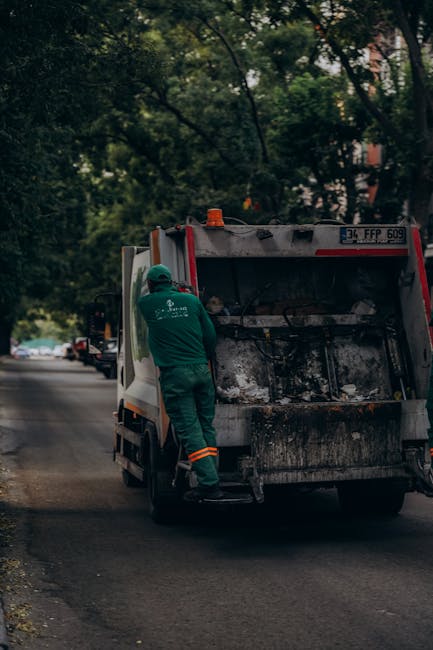
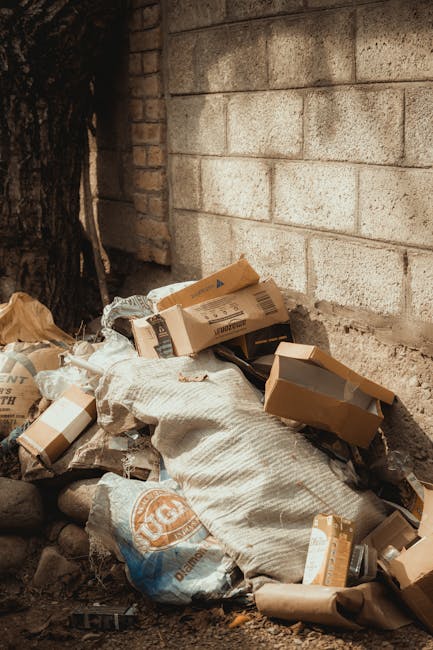
Bulky waste removal Westcliff on Sea Leigh Road jobs: a practical guide for homes, landlords, and local businesses
If you are sorting out Bulky waste removal Westcliff on Sea Leigh Road jobs, you are probably dealing with more than just "a bit of rubbish". It might be an old sofa that will not fit down the stairs, a broken wardrobe from a flat above a shop, or a pile of office furniture that needs clearing before the next tenant moves in. Truth be told, bulky items tend to appear at the worst possible moment.
This guide walks through what bulky waste removal involves, how it works in a real local setting, what to watch out for, and how to choose the right approach for your situation. You will also find a checklist, a comparison table, and a few grounded tips that make the whole process feel less like a chore and more like a plan.
For readers comparing providers, booking methods, or safety expectations, it can help to understand the wider service picture too. Pages such as pricing and quotes, health and safety, and recycling and sustainability are useful places to start if you want a more complete view of how a professional service is run.
Table of Contents
- Why Bulky waste removal Westcliff on Sea Leigh Road jobs Matters
- How Bulky waste removal Westcliff on Sea Leigh Road jobs Works
- Key Benefits and Practical Advantages
- Who This Is For and When It Makes Sense
- Step-by-Step Guidance
- Expert Tips for Better Results
- Common Mistakes to Avoid
- Tools, Resources and Recommendations
- Law, Compliance, Standards, or Best Practice
- Options, Methods, or Comparison Table
- Case Study or Real-World Example
- Practical Checklist
- Conclusion
- Frequently Asked Questions
Why Bulky waste removal Westcliff on Sea Leigh Road jobs Matters
Bulky waste is any large item that is awkward, heavy, or simply too cumbersome for normal household bins. That includes things like mattresses, wardrobes, dining tables, broken white goods, office desks, shelving, and mixed furniture from a property clear-out. On Leigh Road and the surrounding Westcliff on Sea area, these jobs often involve narrow access, shared entrances, busy pavements, or time limits around tenants, shop openings, and contractor schedules.
So why does it matter enough to plan properly? Because a bulky item left too long can block space, create safety risks, attract complaints from neighbours, and slow down everything else around it. In a residential block, one sofa parked in a hallway can become everyone's problem. In a shop unit, a pile of old fixtures can delay refurbishment work by a day or two, and nobody enjoys that.
There is also the environmental side. Responsible bulky waste removal is not just about lifting and loading. It is about sorting, reusing where possible, and diverting items away from landfill when practical. A good operator should be able to explain how items are handled, what gets recycled, and what happens to reusable materials. If that is important to you, the company's recycling and sustainability approach is worth looking at closely.
Key point: bulky waste removal is not only a convenience service. Done properly, it reduces stress, protects access routes, keeps properties presentable, and supports better waste handling overall.
Let's face it, most people do not call for bulky waste removal because they have time to spare. They call because something needs to move now, and it needs to move safely.
How Bulky waste removal Westcliff on Sea Leigh Road jobs Works
The process is usually simpler than people expect, although the detail depends on the property and the items involved. In a typical job, a provider will assess what needs removing, confirm access, give a price or estimate, and then send a team to collect the load. For smaller jobs, that may be a quick same-day or next-day collection. For larger clearances, it may involve a short site visit or a more detailed quote.
The main stages are usually:
- Initial enquiry: You describe the items, location, and access conditions.
- Quote or estimate: The provider gives a cost based on volume, weight, labour, and disposal requirements.
- Arrival and assessment: The team checks the load in person before starting work.
- Removal and loading: Items are carried out, lifted safely, and loaded into the vehicle.
- Sorting and disposal: Reusable, recyclable, and non-recyclable materials are separated where possible.
That sounds straightforward, and often it is. But the tricky part tends to be access. Leigh Road jobs may involve stairs, split-level entrances, service yards, rear access only, or a need to avoid disrupting neighbours and passing foot traffic. Good planning makes a huge difference here. It saves time, lowers the risk of damage, and helps the team complete the job without faffing about.
If you want clarity on how payment is handled, or what happens before work begins, it is sensible to review the company's payment and security information and their terms and conditions. Not glamorous reading, no. Still useful.
One practical detail that is often overlooked: the job is usually smoother if you separate items that are staying from items that are going. It sounds obvious, but in real life, a half-packed room can become confusing very quickly.
Key Benefits and Practical Advantages
There are several reasons why people choose a professional bulky waste service instead of trying to manage the job themselves.
- Less physical strain: A heavy wardrobe or sofa is awkward even for two strong people, especially on stairs.
- Faster turnaround: A team can often clear in one visit what might take you a whole weekend.
- Reduced risk of damage: Door frames, bannisters, lifts, and communal hallways are easier to protect when the job is handled properly.
- Cleaner handover: Landlords, agents, and tenants benefit from a space that is left ready for cleaning, decorating, or viewing.
- Better sorting: Proper removal improves the chance of recycling or reuse rather than dumping everything together.
There is also a quiet benefit that people forget to mention: peace of mind. Once the bulky items are gone, the space feels lighter. You can hear yourself think again. A room full of broken furniture has a way of pressing on you, even if you do not notice it at first.
Commercial clients often value reliability above everything else. A late collection can hold up a fit-out, delay a rent-ready inspection, or create an awkward day with contractors standing around. For that reason, many property managers focus on clear communication, insurance, and a provider's ability to handle the work without drama. If those things matter to you too, the company's insurance and safety information is worth reading.
Who This Is For and When It Makes Sense
Bulky waste removal is useful for a wide range of people. If you are wondering whether it fits your situation, the answer is often yes when the item is too large, too awkward, or too time-sensitive to move alone.
Typical users include:
- Homeowners clearing out old furniture after a move, renovation, or house refresh.
- Tenants needing to remove unwanted items before check-out.
- Landlords and letting agents preparing a property for new occupants.
- Small businesses replacing desks, chairs, shelves, or display units.
- Tradespeople who need an end-of-job clearance after refurbishment or strip-out work.
- Family members handling estates where rooms contain mixed furniture and general contents.
It makes sense when the job is bigger than a standard bin collection, but not necessarily a full property clearance. That line can be blurry, of course. A few items can quickly become a van load, and a van load can become a half-day labour job if access is tight.
If you are unsure whether your job is a bulky waste collection, a partial house clearance, or a larger clean-out, a short conversation with the provider usually clears that up. Good companies will ask the right questions rather than guessing. That alone is a sign they know what they are doing.
Step-by-Step Guidance
If you want the process to run smoothly, it helps to treat it like a small project rather than an afterthought. Here is a sensible step-by-step approach.
- Identify everything that needs removing. Make a quick list, room by room if necessary. One sofa, two mattresses, a broken chest of drawers, three office chairs, and so on.
- Check access. Look at stairs, parking, gated entry, lift availability, and whether the items need to pass through shared spaces.
- Separate items that may be reusable. Some furniture can be diverted for reuse if it is in decent condition. Do not assume everything is waste.
- Take a few photos. This helps when requesting a quote, especially if items are in a basement, loft, or rear room.
- Ask about timing. Morning jobs are sometimes easier for access and parking, though that depends on the street and the property.
- Confirm what is included. Ask whether labour, loading, disposal, and any extra access issues are built into the price.
- Prepare the space. Move small items away from the route and keep pets, children, or customers clear during collection.
- Walk through the removal with the team. This is the moment to point out anything fragile, fixed, or not to be touched.
A small but useful tip: if you are clearing a flat above street level, make sure stairways are clear before the team arrives. It reduces friction and avoids that awkward "where do we put our feet?" moment on the landing.
For a smooth booking experience, it is also worth checking whether the company has a clear about us page and a straightforward way to contact the team. A local service that answers questions clearly tends to be easier to work with on the day.
Expert Tips for Better Results
Most bulky waste jobs go well when the customer gives a bit of structure to the process. Not rigid. Just enough to help.
- Measure large items before the booking. A sofa that barely fits through one doorway can turn into a major headache on removal day.
- Be honest about the volume. Understating the amount of waste often leads to surprises, and nobody enjoys price changes at the kerb.
- Flag fragile surfaces. Glass panels, polished floors, tight corners, and freshly painted walls need extra care.
- Keep disposal instructions clear. If some items must stay, label them or move them well away from the removal area.
- Ask about recycling routes. Even mixed loads can often be sorted better than people expect.
Another useful tip is to think in zones. A front room, back room, and hallway are easier to describe than "everything downstairs". Small distinction, big difference.
And if the job feels emotionally loaded - maybe you are clearing a family home, or finally dealing with furniture that has been sitting there for months - give yourself a bit of grace. These jobs are rarely just about the stuff. They are about momentum. About getting unstuck.
Common Mistakes to Avoid
There are a few repeat mistakes that can make bulky waste removal slower, costlier, or simply more stressful than it needs to be.
- Leaving everything until the last minute: This often leads to rushed decisions and poor access preparation.
- Assuming all items are accepted without checking: Some loads may need special handling depending on condition or contents.
- Forgetting about parking or loading restrictions: On busy roads, access planning matters just as much as the items themselves.
- Mixing keep and remove items together: That is how mistakes happen. It is surprisingly easy to grab the wrong chair.
- Choosing purely on price: The cheapest option is not always the best once labour, safety, and disposal are considered.
One more that comes up a lot: people underestimate how long the route is from the item to the vehicle. A second-floor flat with a narrow stairwell is a very different job from a ground-floor clear-out. Very different.
When the work is more complex, a provider with clear internal policies usually gives more confidence. Pages like health and safety and complaints procedure can tell you a fair bit about how seriously a business takes the customer experience.
Tools, Resources and Recommendations
You do not need a van full of gear to get ready for a bulky waste job, but a few simple tools and habits can make the day easier.
- Measuring tape: Useful for checking whether large furniture can pass through doorways and stair turns.
- Phone camera: Photos help when getting an accurate quote or confirming access.
- Labels or notes: Handy for marking what stays and what goes.
- Protective gloves: Worth using if you are moving small items or clearing a route.
- Bin bags or boxes: Good for separating loose contents from furniture.
For service quality and reassurance, look for a company that explains pricing clearly, works safely, and treats recycling as part of the process rather than a throwaway line. The pages on pricing and quotes and insurance and safety can help you judge whether a provider's setup feels organised and trustworthy.
Practical recommendation? Keep your enquiry simple but complete. Say what the item is, how many there are, where they are located, and what the access is like. You will usually get a better answer that way than by sending a one-line message and hoping for the best.
Law, Compliance, Standards, or Best Practice
Bulky waste removal touches on practical compliance, even if most customers do not think of it that way. You are not expected to become an expert in waste law, but it helps to understand the basics of responsible disposal.
In the UK, waste should be handled by a legitimate operator, transported safely, and disposed of appropriately. Good practice usually includes sorting items for reuse or recycling where possible, keeping work areas safe, and avoiding obstruction to other building users or the public. If a job involves shared access, communal hallways, or customer-facing business premises, care becomes even more important.
There is also a duty of common sense. If the items contain sharps, broken glass, liquids, or unusual materials, those need to be flagged before collection. Likewise, anything that could be hazardous should be described honestly. No one benefits from surprises once a van has already arrived.
From a standards point of view, a reliable provider should have sensible operational policies, proper insurance, and a clear complaints route in case something does go wrong. That is not overkill. It is just professional. You can read more about that in the company's health and safety policy and terms and conditions.
Best practice for the customer is equally straightforward:
- describe the waste honestly;
- allow enough access time;
- separate items that are not being removed;
- ask questions before the booking is confirmed;
- keep a record of the agreed scope.
That is usually enough to keep things tidy, fair, and predictable. Which, in jobs like this, is half the battle.
Options, Methods, or Comparison Table
There are a few ways to deal with bulky waste in Westcliff on Sea, and the best choice depends on volume, access, urgency, and how much lifting you want to do yourself.
| Method | Best for | Pros | Trade-offs |
|---|---|---|---|
| DIY disposal | Small amounts, easy access, available vehicle | Feels controlled; may suit one or two lightweight items | Heavy lifting, time, fuel, parking, and disposal logistics are on you |
| Man and van style bulky collection | Medium loads, furniture, mixed household items | Flexible, often quicker, less strain on the customer | Needs accurate quoting and clear item descriptions |
| Full clearance service | Larger property clear-outs, landlords, estate work, office moves | More comprehensive, saves time, handles larger volumes well | May be more than you need for a few single items |
| Routine council-style collection | Pre-arranged items where available and suitable | Can work for simple cases if timing suits | May be slower, more restricted, and less flexible |
For many Leigh Road jobs, the middle option is the sweet spot. Not too small, not too big. Just enough support to get the job done without turning it into an all-day saga.
Case Study or Real-World Example
Here is a realistic example. A small office above a shop on Leigh Road is being refitted. The team needs to remove two desks, four chairs, a broken filing cabinet, a reception unit, and several loose items from a back room. Access is via a shared stairwell, and the landlord wants the space cleared before painters arrive the next morning.
The sensible approach is to:
- photograph each room;
- identify any items that must remain;
- confirm stair access and parking conditions;
- book a time window that avoids peak customer flow;
- keep the route clear from office to vehicle.
On the day, the team can move quickly because the job has been prepared properly. The client avoids unnecessary delays, the stairwell stays protected, and the refit can start on schedule. Nothing dramatic. Just a clean, well-run handover.
That is the sort of job where professional bulky waste removal proves its value. The result is not only a clear room; it is a day that goes to plan. And that, in the real world, matters a lot more than people expect.
Practical Checklist
Use this checklist before your collection or clearance appointment.
- List every bulky item that needs removing.
- Measure large furniture, doors, stairs, and tight corners.
- Take photos for quoting if requested.
- Confirm which items are staying and which are going.
- Check parking, access, and any loading restrictions.
- Ask whether labour, loading, and disposal are included.
- Flag anything fragile, fixed, sharp, or unusually heavy.
- Make sure pets, children, or customers are kept clear during removal.
- Review the company's safety, pricing, and terms information before booking.
- Keep a contact number handy on the day in case timing changes slightly.
A quick checklist is often all it takes to turn a messy task into a manageable one. Small effort, good payoff.
Conclusion
Bulky waste removal on Leigh Road in Westcliff on Sea is really about three things: getting awkward items out safely, keeping the process straightforward, and making sure disposal is handled responsibly. Whether you are clearing a home, a rental property, a small business, or an office, the right approach saves time and reduces stress.
The best results usually come from clear communication, sensible preparation, and a provider that treats safety and sustainability as part of the job rather than afterthoughts. If you take a moment to describe the items properly, check access, and choose a company that explains its process clearly, you are already ahead.
And if you are standing there looking at the furniture thinking, "right, where do I even start?" - start with one room, one list, one decision. That is enough for today.
Get a free quote today and see how much you can save.
For a company overview, you may also want to review the about us page, and if you need to discuss a specific removal, the contact page is the most direct next step. Simple, really.
Frequently Asked Questions
What counts as bulky waste in a Westcliff on Sea Leigh Road job?
Bulky waste usually means large or awkward items that do not fit into standard bins, such as sofas, wardrobes, mattresses, tables, chairs, and old office furniture. If it is heavy, oversized, or difficult to carry, it likely falls into this category.
How is bulky waste removal different from a full house clearance?
Bulky waste removal often focuses on specific large items, while a house clearance is usually broader and may include many rooms or most of the contents in a property. The right option depends on how much needs removing and how quickly it has to be done.
Can bulky items be removed from flats or upstairs rooms?
Yes, provided access is safe and practical. Stairways, lifts, and tight corners can affect the job, so it helps to mention these details early. That way the team can bring the right approach and avoid surprises on the day.
Do I need to move the items outside before collection?
Not usually. Many services collect items from inside the property, although it depends on the agreement and access. If you can move smaller items to create a clear route, that can make the job quicker and safer.
How do I get an accurate price for bulky waste removal?
The best way is to describe the items clearly, mention how many there are, and share photos if possible. Access details matter too, because stairs, distance to vehicle, and parking can all affect the workload.
Are reusable items separated from general waste?
Responsible providers often try to separate reusable or recyclable items where practical. The exact process varies, so if sustainability matters to you, ask how the company handles sorting and recycling before booking.
What should I check before booking a bulky waste service?
Check what is included in the price, whether the company has clear safety and insurance information, how quickly they can attend, and whether there are any access requirements. A few minutes of checking can save a lot of back-and-forth later.
Is bulky waste removal suitable for landlords and letting agents?
Yes. In fact, it is often one of the most practical options for preparing a property between tenancies. It helps clear abandoned furniture, damaged items, and leftover contents without dragging the process out.
What happens if the access is awkward or the item is very heavy?
That is exactly the kind of detail that should be discussed before the job begins. A good provider will want to know about tight entrances, narrow stairs, long carries, or extra-heavy items so they can plan properly.
Can I include mixed household items with furniture?
Often yes, but mixed loads should still be described clearly. Some items may need separate handling, and a mixed load may affect pricing or sorting. It is always better to be specific rather than vague.
How far in advance should I book?
For routine jobs, a little notice is helpful, but urgent collections may be possible depending on availability. If the job is linked to a move, refurbishment, or tenancy deadline, book as early as you can. It reduces pressure all round.
What if I am not sure whether my items are suitable for removal?
Send a description or photos and ask for guidance. That is usually the fastest way to clarify things. If a provider cannot advise clearly at that stage, it may be worth speaking to someone else. No need to overcomplicate it.