Start Your Upcycling Journey: Transform the Old and Broken
Are you ready to embark on a creative adventure that will save you money, benefit the planet, and unleash your imagination? If so, it's time to start your upcycling journey! Whether you have old furniture collecting dust, broken household items, or worn-out clothes, upcycling offers limitless possibilities to transform the old and broken into something entirely new and useful. This comprehensive guide will introduce you to the world of upcycling, provide actionable tips, and inspire you with creative ideas to get started.
What is Upcycling?
At its core, upcycling refers to the process of taking unwanted, old, or broken items and repurposing them into products of higher value or quality. Unlike recycling, which often breaks materials down into their basic elements, upcycling involves ingenuity and creativity to give items a second life--often without extensive processing.
- Eco-friendly: Reduces landfill waste and saves valuable resources.
- Budget-friendly: Negates the need to purchase brand new goods.
- Personalized: Offers unique, one-of-a-kind pieces tailored to your tastes.

Why Should You Start Upcycling?
Starting your upcycling journey can be profoundly rewarding. Let's explore some compelling reasons why you should transform the old and broken items in your life.
1. Environmental Impact
Every year, millions of tons of goods end up in landfills. By upcycling, you contribute to a circular economy, reducing the extraction of raw materials and lowering your carbon footprint.
2. Economic Benefits
Why buy new when you can creatively re-imagine what you already have? Upcycling saves money and offers a low-cost alternative to store-bought goods.
3. Creative Expression
Each upcycling project is an opportunity to unleash your creative flair. The process encourages you to think outside the box and develop new skills, turning the broken and forgotten into beloved treasures.
4. Home Improvement
Upcycled items add character and distinctiveness to your home, setting your decor apart with stories behind every piece.
How to Start Upcycling: A Step-By-Step Guide
Wondering where to begin your upcycling journey? Here's a roadmap to help you start transforming old and broken items into beautiful, functional additions to your home and life.
1. Assess What You Have
Begin by taking stock of the items you own that are outdated, damaged, or simply unused. Consider clothing, furniture, kitchenware, electronics, and decorations. Take note of each item's material--wood, glass, metal, fabric--as this will influence your upcycling methods.
- Are there old chairs missing a leg?
- Do you have chipped plates or cups?
- Is your wardrobe overflowing with unworn clothes?
2. Gather Inspiration
Browse websites, social media platforms, and design blogs for upcycling ideas. Pinterest and Instagram are treasure troves of creative projects shared by enthusiasts worldwide. Make a vision board of projects you'd love to try.
3. Acquire Basic Tools and Materials
While you don't need to invest in an entire tool shed to start upcycling, a few key supplies will prove invaluable. Common tools include:
- Hammer and nails
- Screwdrivers
- Paint and brushes
- Sandpaper
- Glue, adhesive, or sewing kit
- Measuring tape
- Upcycling-friendly finishes (e.g., non-toxic varnish, fabric dye)
4. Start Small
Your first upcycling project doesn't have to be elaborate. Choose a simple transformation--such as turning a glass jar into a vase or adding new handles to a dresser. This builds confidence and helps hone your skill set.
5. Prioritize Safety
Always put safety first! Wear gloves, masks, and goggles as needed, especially when handling chemicals, paint, or power tools. Work in a well-ventilated area and follow instructions for all equipment.
6. Document Your Progress
Take before-and-after photos of your projects. Not only does this track your improvement, but sharing your results online can motivate others to start their own upcycling journey.
Creative Upcycling Project Ideas
Ready for inspiration? Here are some of the most popular and accessible projects for all skill levels. Each one will help you transform the old and broken into something both beautiful and practical.
Furniture Upcycling
Revamp worn-out furniture with a fresh coat of paint, new upholstery, or creative stenciling. For instance:
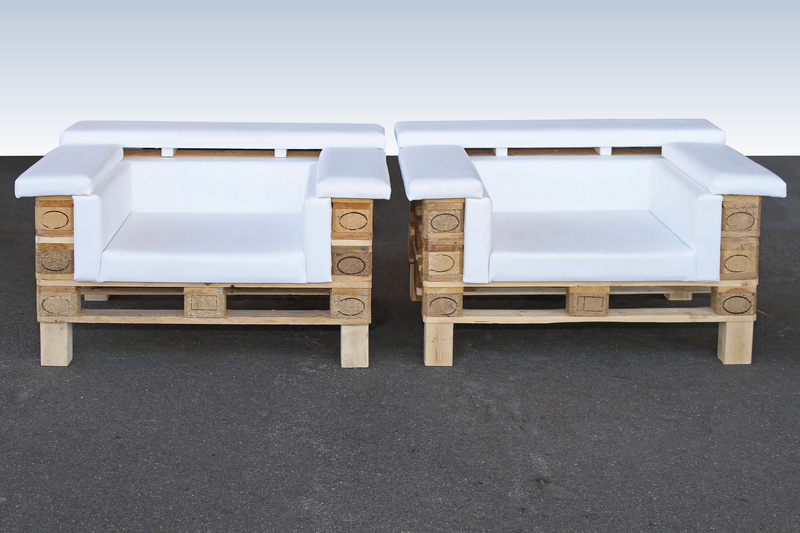
- Turn a battered wooden pallet into a rustic coffee table.
- Transform an old ladder into a stunning bookshelf.
- Reupholster outdated chairs with vibrant fabric scraps.
- Convert broken drawers into under-bed storage or wall shelves.
Clothing and Textile Upcycling
Turn torn jeans into stylish shorts, patchwork quilts, or handy tote bags. Other innovative clothing projects include:
- Converting sweaters into cozy cushion covers.
- Making an apron from old shirts.
- Refashioning T-shirts into reusable shopping bags.
- Piecing together fabric remnants for striking art pieces.
Home Decor Upcycling
Breathe new life into household items like jars, bottles, and ceramics. Some easy ideas:
- Glass jars repurposed as chic pendant lights or mini herb gardens.
- Old picture frames made into chalkboard organizers or jewelry holders.
- Shattered ceramics arranged as colorful garden mosaics.
- Broken bicycle wheels converted into quirky wall clocks.
Outdoor and Garden Upcycling
Gardens provide an inviting canvas for upcycling projects. Try these outdoor transformations:
- Repainting tires for use as planters or playground swings.
- Using broken furniture as charming plant stands or birdhouses.
- Crafting a compost bin from old pallets.
- Repurposing bottles for unique garden edging.
Expert Tips for Successful Upcycling
Want to maximize the impact and longevity of your upcycled creations? Follow these best practices:
Clean Thoroughly
Start your project with a clean slate. Remove dirt, grease, and old finishes to help paint, adhesives, or other materials adhere smoothly.
Choose Quality Materials
Don't invest hours transforming a poor-quality item. Select sturdy pieces that will stand up to years of use after upcycling.
Embrace Imperfections
One of the joys of upcycling is that it welcomes flaws. A nick here or a scratch there only adds to the charm of your finished project.
Customize to Your Style
Add your personal touch with unique colors, patterns, and finishes. This is your chance to make something truly one-of-a-kind.
Keep Learning
The upcycling community offers endless resources--videos, tutorials, blogs, and online courses. Don't be afraid to try new techniques and expand your skills.
Essential Tools and Materials for Upcycling
If you're getting serious about your upcycling journey, consider investing in a basic toolkit. Here's a list of frequently used tools and materials:
- Hand Tools: Hammer, screwdrivers, pliers, measuring tape.
- Painting Supplies: Brushes, sponges, rollers, paint trays.
- Adhesives: Hot glue gun, fabric glue, wood glue, double-sided tape.
- Decorative Finishes: Chalk paint, spray paint, decoupage mediums, waxes.
- Textile Tools: Needle, thread, sewing machine, fabric scissors.
- Protective Gear: Gloves, goggles, dust mask.
Beyond the Basics: Upcycling for Profit
Many upcycling enthusiasts take the next step by turning their passion into a small business. Here's how you can monetize your love for transforming the old and broken:
- Selling Locally: Host garage sales or set up booths at farmers' or makers' markets.
- Online Marketplaces: Set up a shop on platforms like Etsy, eBay, or Facebook Marketplace.
- Custom Orders: Offer bespoke upcycling services for clients seeking unique home decor or gifts.
- Workshops: Teach upcycling classes in your community or online.
Remember to calculate your time, material costs, and market demand as you price your creations.
Common Mistakes to Avoid
To ensure your upcycling journey is productive and fun, steer clear of these common pitfalls:
- Tackling projects that exceed your skill level -- Start simple and work up to more complex items.
- Neglecting preparation and cleaning -- Skipping these steps can compromise your results.
- Using incompatible materials -- Not all paints, glues, or tools work on every surface.
- Lack of proper ventilation or safety gear -- Don't put your health at risk!
- Ignoring the finish -- Sealing, varnishing, or otherwise protecting your piece preserves your hard work.
Join the Global Upcycling Community
The journey to transform the old and broken is one best shared! Online forums, local workshops, and social media groups allow you to:
- Share project successes and challenges
- Swap ideas and materials
- Learn from other crafters and artisans
- Stay inspired and motivated
Many upcyclers also collaborate to organize community projects, supply swaps, and sustainability fairs. Being a part of this movement can expand both your skillset and your circle of creative friends.
Ready to Start Your Upcycling Journey?
Upcycling is so much more than a trend; it's a mindful lifestyle that rewards both the creator and the environment. By committing to transform the old and broken rather than buying new, you'll not only reduce waste but also express your unique style and ingenuity. Start small, stay safe, and let your imagination soar!
The world is full of potential, waiting to be unlocked--start your upcycling journey today and discover the endless possibilities that await in every forgotten item.
Frequently Asked Questions About Upcycling
- Is upcycling expensive?
Not at all! Most projects use materials you already own, and the basic tool costs are minimal compared to buying new items. - What if I make a mistake?
Don't worry! Mistakes are just another part of the creative process. Many upcycles are improved by clever fixes or "happy accidents." - Can I upcycle with no crafting experience?
Absolutely. Start with beginner-friendly projects, learn as you go, and build confidence with each completed transformation. - Where can I find items to upcycle?
Hunt for treasures in your own home, at thrift stores, flea markets, online trade groups, or even curbside giveaways. - How do I care for upcycled items?
Clean and finish them based on the materials used--painted surfaces often benefit from gentle cleaning, while fabrics may need more delicate care.
Start your upcycling journey now--open your eyes to possibility and turn every old or broken thing into a story of transformation!
