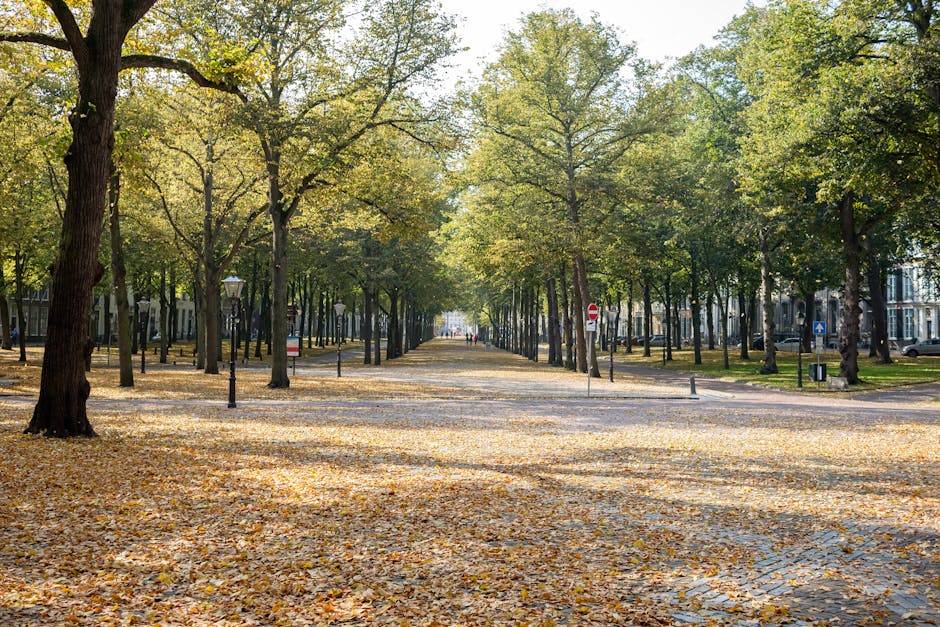
Rubbish clearance Chalkwell Park and Chalkwell Avenue SS0: a practical local guide
If you live, work, or rent near Chalkwell Park or along Chalkwell Avenue in SS0, rubbish has a habit of building up at the worst possible time. One weekend it's a few bags, a broken chair, and a box of forgotten odds and ends. Next thing you know, the hallway feels cramped, the garden looks tired, and you're wondering how to deal with it without making a whole day of it. That's where rubbish clearance Chalkwell Park and Chalkwell Avenue SS0 becomes more than a search term. It becomes a sensible way to reclaim space, reduce stress, and get the job done cleanly.
This guide explains how local rubbish clearance works, who it suits, what to expect, and how to avoid the common headaches that turn a simple clear-out into a messy one. Whether you're sorting a flat, a family home, a rental property, or a small business space, the aim is the same: clear waste safely, sensibly, and with as little disruption as possible. Truth be told, that's the bit most people want first.
Table of Contents
- Why rubbish clearance in Chalkwell Park and Chalkwell Avenue SS0 matters
- How the clearance process works
- Key benefits and practical advantages
- Who this is for and when it makes sense
- Step-by-step guidance
- Expert tips for better results
- Common mistakes to avoid
- Tools, resources and recommendations
- Law, compliance and best practice
- Options, methods and comparison table
- Case study and real-world example
- Practical checklist
- Conclusion
- Frequently asked questions
Why Rubbish clearance Chalkwell Park and Chalkwell Avenue SS0 Matters
Clearing rubbish is not just about tidiness. In a busy residential area, waste can affect access, appearance, safety, and even neighbour relations. A forgotten pile at the side of a property near Chalkwell Park can quickly become an eyesore, especially if it sits near footpaths, shared entrances, or parking spaces. Along Chalkwell Avenue, where homes and traffic often sit close together, even modest amounts of clutter can make moving boxes, bins, furniture, and recycling far more awkward than it should be.
There's also a practical side that gets overlooked. Piling waste into one room, the shed, or the corner of a garden often delays the real job. You don't feel the full impact at first. Then, on a damp morning, with that slightly musty smell in the air and the bins already full, it becomes obvious the place needs a proper reset. A structured clearance helps you avoid that slow build-up.
For landlords, letting agents, and homeowners preparing a property for sale or let, fast and orderly waste removal can make a genuine difference to presentation. For tenants moving out, it can help avoid leaving behind unnecessary mess. And for families dealing with a larger life change, like downsizing or clearing an estate, having a plan matters even more. The work is physical, yes, but the emotional load is often just as real.
If you're also thinking about a broader property tidy-up, it can help to look at related services such as house clearance or garden clearance, depending on where the waste has built up. Sometimes the right answer is a mix of both.
How Rubbish clearance Chalkwell Park and Chalkwell Avenue SS0 Works
Most local rubbish clearance jobs follow a fairly simple process, though the exact approach depends on the type and volume of waste. The main idea is to remove unwanted items quickly while sorting anything that can be reused, recycled, or disposed of appropriately. That sounds straightforward. In practice, the difference is in the planning.
Here's the usual flow:
- You describe the waste - what needs removing, where it is, and how much there is.
- A quote or estimate is provided - often based on volume, access, labour, and waste type.
- A suitable collection time is arranged - sometimes same day, sometimes scheduled in advance.
- The team loads the items - from bags and boxes to furniture, appliances, or mixed household waste.
- The waste is sorted - recyclable materials, reusable items, and residual waste are separated where possible.
- Responsible disposal follows - the aim is always to keep the process compliant and efficient.
For a small job, the visit may be over before you've finished making tea. For larger clearances, it can take longer, especially if waste is spread across multiple rooms, a loft, a shed, or a rear garden. Access matters too. Narrow hallways, shared entrances, or limited parking on streets around SS0 can add a little complexity. Not a problem, just something to plan around.
Many people appreciate that a good clearance service does the heavy lifting and the sorting. You don't have to drag every broken item to the front kerb yourself, and you don't have to guess what goes where. That alone is a relief when you're already juggling work, family life, or a deadline to hand the keys back.
Key Benefits and Practical Advantages
There are several solid reasons people choose professional rubbish clearance instead of trying to do everything themselves. Some are obvious, some less so. To be fair, the obvious ones still matter most when you're standing in a room full of stuff and wondering where to start.
- Time saved: one scheduled clearance can replace multiple car trips to a disposal site.
- Less physical strain: heavy lifting, awkward items, and bulky furniture are handled for you.
- Cleaner finish: a proper clearance leaves the space usable, not half-finished.
- Better sorting: reusable and recyclable items are easier to separate when handled by experienced crews.
- Fewer mistakes: you're less likely to dispose of something incorrectly or leave waste behind.
- Peace of mind: the job is done in one go, instead of dragging on for days.
There's also a subtle benefit that doesn't always get mentioned: momentum. Once the rubbish is gone, the whole property feels easier to manage. You suddenly notice what the room could be instead of what it's become. That psychological shift can be huge, especially for spaces that have been ignored for a while.
If you're planning a larger reset, it may also be worth exploring office clearance if the job involves work equipment or commercial premises, or shed clearance for outdoor storage spaces that have quietly turned into catch-all dumping zones.
Who This Is For and When It Makes Sense
Rubbish clearance in Chalkwell Park and Chalkwell Avenue SS0 suits a surprisingly wide range of people. If you're on the fence, ask yourself a simple question: is the waste getting in the way of daily life, access, safety, or next steps for the property?
This type of service is often a good fit for:
- Homeowners clearing out a loft, garage, garden, or spare room
- Tenants preparing to move out and needing the property emptied
- Landlords dealing with left-behind items between tenancies
- Letting agents arranging a tidy turnaround for a rental property
- Families handling a partial or full house clearance
- Small businesses needing bulky rubbish removed quickly
- People who cannot transport waste themselves
It also makes sense when the waste is awkward rather than just abundant. Old wardrobe panels, a waterlogged mattress, broken garden furniture, and mixed black bags are not the sort of thing most people want in the car. And let's face it, nobody enjoys discovering that the back seat smells faintly of damp carpet for the rest of the week.
If you're preparing a property for sale, clearance can be a useful first step before decorating, deep cleaning, or staging the space. If the property is already in decent order but just feels overloaded, a smaller selective clearance may be enough. Not every job needs a full sweep. Sometimes you just need the right pile gone.
Step-by-Step Guidance
A clear process helps you avoid stress and unnecessary back-and-forth. Here's a practical way to approach rubbish clearance without overcomplicating it.
1. Walk the property and group items by type
Start by separating general rubbish, bulky items, garden waste, reusable items, and anything potentially sensitive like paperwork or personal belongings. This takes a bit of discipline, but it pays off quickly. A room that looks chaotic usually becomes more manageable once the waste is grouped.
2. Decide what must go now
Be honest about what's genuinely unwanted. If you haven't used it in years and it's not being kept for a real reason, it probably belongs in the clearance pile. A small pause here can stop you paying to move things around without actually making progress.
3. Check access and parking
Think about stairs, narrow gates, shared entrances, and where a collection vehicle can stop safely. In local streets, access can be the bit that makes a job easy or mildly annoying. It's worth flagging any quirks in advance so the work can be planned properly.
4. Get a clear quote
Ask what the quote includes. Is labour included? What about loading, lifting, and disposal? Is the quote based on volume, weight, or item count? Good providers will explain this in plain English. If the estimate is vague, ask for clarification before the day arrives.
5. Prepare the items if you can
You do not need to do all the heavy lifting yourself, but it helps to place waste in one area where possible. Bag loose rubbish, separate obvious recyclables, and keep pathways clear. Little things make the job smoother.
6. Let the team handle the loading and sorting
A proper clearance service should manage the lift, carry, and disposal process efficiently. This is the point where many people breathe out a bit. The mess is leaving. Finally.
7. Do a final sweep
Once the rubbish is removed, check corners, under shelves, behind doors, and in cupboards. Tiny forgotten items have a habit of hiding in plain sight. A final look prevents that slightly annoying moment later when you spot a stray box lid or lonely cable.
Expert Tips for Better Results
A few small decisions can make a clearance job much easier. These are the sorts of things that save time, money, and last-minute frustration.
- Be precise about what needs removing. "A few bits" sounds simple, but it can mean very different things to different people.
- Keep valuable items separate. Sentimental items, personal documents, and anything you may want to keep should be moved out of the clearance area first.
- Photograph the waste if there's a lot of it. A quick set of photos can help with quoting and avoids misunderstandings.
- Bundle similar items together. Mattresses with mattresses, bags with bags, garden waste with garden waste. Small effort, big clarity.
- Ask about recycling and reuse. Responsible clearance is not just about removal; it's also about what happens next.
- Plan around neighbours and parking. A smooth clearance day is usually a polite one too.
One thing people often underestimate is the emotional side of clutter. Clearing a loft or a family home can stir up memories, old plans, or the odd forgotten photo album. Give yourself a bit of breathing room if needed. No need to rush everything in one frantic afternoon.
If the job includes tricky items, a broader service page such as waste disposal can help frame what's involved, while rubbish clearance gives a useful overview of the general service approach.
Common Mistakes to Avoid
Most clearance problems are preventable. They happen because people are rushed, unsure, or trying to save time by skipping the planning step. Here are the usual traps.
- Leaving the sort-out until the last minute. It makes the day feel chaotic and can lead to unnecessary disposal costs.
- Mixing everything together. Mixed waste is harder to handle and often less efficient to clear.
- Assuming all quotes mean the same thing. Some cover only collection, while others include loading and disposal.
- Forgetting access issues. Tight stairwells, parking restrictions, and rear-garden access can all affect the job.
- Ignoring reusable items. Some things may be better donated, kept, or repurposed instead of thrown away.
- Not checking the final result. A quick sweep after clearance avoids small leftovers becoming annoying later.
Another mistake? Trying to do a full clear-out after a long day at work. It sounds noble. In reality, you end up tired, distracted, and surrounded by half-empty boxes. Better to plan a proper slot and do it once.
Tools, Resources and Recommendations
You don't need a shed full of equipment to prepare for a rubbish clearance, but a few simple tools can make life easier. Nothing fancy.
| Item | Why it helps | Best use |
|---|---|---|
| Heavy-duty bin bags | Contain loose rubbish securely | General household waste, small soft items |
| Work gloves | Protect hands from sharp edges and dirt | Sorting lofts, sheds, garages, or garden waste |
| Mask or dust covering | Useful where dust, old insulation, or grime is present | Older storage areas and neglected rooms |
| Marker pen and tape | Helps label keep, donate, and clear piles | Pre-sort before collection |
| Photo app on your phone | Records what needs removing | Quotes, planning, and avoiding confusion |
For more complex property projects, some people also pair clearance with services like end of tenancy clearance or garage clearance. That can be especially useful if several spaces need attention at once.
Small recommendation, but an important one: if you're unsure whether something should be removed or retained, move it into a "review later" pile. It slows things down a little, yes, but it also prevents regret. Nobody wants to accidentally clear out the wrong box of documents because they were in a rush.
Law, Compliance, Standards, or Best Practice
Rubbish clearance should always be handled responsibly. In the UK, waste must be dealt with in a lawful and traceable way, and reputable providers will understand the need for proper disposal routes. You do not need to know every technical detail, but it helps to understand the basics.
Good practice usually means:
- Waste is collected and transported responsibly
- Items are sorted where possible to support reuse and recycling
- Hazardous or specialist materials are handled separately when required
- Customers are given clear information about what is included
- Access, safety, and property care are respected during removal
If the clearance includes electrical items, bulky appliances, sharp objects, or anything potentially hazardous, extra care matters. The same goes for confidential paperwork or personal records. A trustworthy provider should be able to explain how those items are treated without making it sound complicated.
As a customer, your own best practice is simple: be honest about what needs removing, keep obviously sensitive items separate, and ask questions if something feels unclear. That's not being difficult. It's being sensible.
For broader guidance on the kind of work that often sits around clearance jobs, you may also find commercial waste and house clearance helpful as related service areas, especially if your project involves mixed property waste rather than one neat pile.
Options, Methods, or Comparison Table
Not every clearance needs the same approach. The right option depends on volume, urgency, and how much lifting you want to do yourself. Here's a simple comparison.
| Method | Best for | Pros | Things to consider |
|---|---|---|---|
| Self-clearance | Very small amounts of rubbish | Low direct cost, full control | Time-consuming, physical effort, disposal logistics |
| Skip hire | Longer projects with steady waste volume | Good for ongoing work, flexible filling | Space required, permit considerations, loading by you |
| Professional rubbish clearance | Mixed waste, bulky items, quick turnarounds | Fast, convenient, labour included | Quote depends on item type, volume, and access |
For many people in SS0, professional clearance is the practical middle ground. It avoids the back-and-forth of self-clearance and the awkward "how do I fill a skip with this sofa?" problem. That said, if you're working through a renovation over several weeks, a skip may still be the better tool. The point is to match the method to the job, not the other way round.
Case Study or Real-World Example
Imagine a small family home near Chalkwell Park where the hallway, spare room, and rear garden have slowly become storage overflow. Nothing dramatic. Just boxes, broken shelving, an old mattress, some garden waste, and a few bags that never made it to the tip. Over time, the house starts to feel smaller than it is. You catch yourself avoiding the spare room. That's usually the sign.
The first step was a quick walk-through with the homeowner, sorting items into keep, donate, and remove piles. A few personal items were separated immediately. The rest was grouped by room so the clearance could be done efficiently. Access through the side gate was checked, parking was planned, and the loading route was kept clear. Nothing fancy. Just a sensible setup.
On the day, the result was noticeable almost immediately. The hallway opened up. The spare room stopped feeling like a storage cave. The garden could actually be seen again, which sounds small until you stand there and notice the light coming in. That's the sort of change people remember. Not because it was dramatic, but because it made the home feel usable again.
That's the real value of rubbish clearance in this part of SS0. It gives the property back to you.
Practical Checklist
Use this checklist before your collection or clearance appointment. It keeps things moving and reduces last-minute stress.
- Identify all items that need removing
- Separate valuables, documents, and keepsakes first
- Group waste by type where practical
- Check whether any items need special handling
- Make access routes as clear as possible
- Note parking or entry restrictions
- Confirm what the quote includes
- Ask about recycling or reuse where relevant
- Do a final room-by-room check after clearance
- Set aside a little time for a last tidy-up
Expert summary: the smoothest rubbish clearance jobs are the ones where the waste is clearly identified, access is thought through in advance, and the end goal is realistic. If you do those three things, you've already avoided most of the usual friction. The rest is just execution.
Get a free quote today and see how much you can save.
Conclusion
Rubbish clearance Chalkwell Park and Chalkwell Avenue SS0 is really about making a property easier to live in, easier to move on from, or easier to hand over in good shape. It helps when clutter has become inconvenient, when bulky waste is too awkward for the car, or when you simply want a clean start without wasting a whole weekend on sorting and loading.
The best results usually come from a simple plan: know what needs removing, check access, ask clear questions, and choose the method that fits the volume and urgency of the job. Do that, and the process becomes much less stressful than most people expect. A bit of organisation goes a long way. Seriously, it does.
If you're standing in a room thinking, "I'll deal with this next week," you probably already know the answer. Start small, make a plan, and let the space breathe again. That first cleared corner can change the feel of the whole place.
Frequently Asked Questions
What does rubbish clearance in Chalkwell Park and Chalkwell Avenue SS0 usually include?
It usually includes the collection, loading, and responsible disposal of unwanted household, garden, or bulky waste. Depending on the service, it may also cover sorting items for reuse or recycling.
Can I book a clearance for just a few items?
Yes, small clearances are common. A few bags, a broken table, or some shed clutter can still be worth booking if you want it removed quickly and without doing the lifting yourself.
How is rubbish clearance different from skip hire?
Skip hire gives you a container to fill yourself over time, while rubbish clearance is a done-for-you service where the team loads and removes the waste. Clearance is often better for bulky or mixed items.
Is rubbish clearance suitable for end-of-tenancy jobs?
Yes, it's often a very sensible choice for tenancies. It helps remove left-behind furniture, bags, and general clutter quickly so the property can be handed back in a better state.
What should I do before the team arrives?
Set aside anything you want to keep, separate personal documents, and make access as clear as possible. If you can group similar waste together, that helps too.
Do I need to move everything outside first?
Usually no. Many clearance services remove items from inside the property, the garden, or a shed. That said, clear pathways do make the job safer and faster.
How long does a typical clearance take?
It depends on volume, access, and item type. A small job may take very little time, while a larger house or garden clearance can take longer. The more organised the waste is, the smoother it tends to go.
What happens to items that can be reused or recycled?
Reputable clearance providers try to separate reusable and recyclable materials where practical. This reduces waste and is generally the more responsible approach.
Are there items that need special handling?
Yes. Some electrical items, sharp objects, and potentially hazardous materials may need extra care. If you're unsure about a particular item, it's best to mention it in advance.
Can rubbish clearance help with garden waste too?
Absolutely. Garden waste, old pots, broken fencing, rotting timber, and outdoor furniture are all common clearance items, especially when a garden has been left to build up over time.
What if I only need part of a house cleared?
That's fine. Partial clearances are very common. You might only need a loft, garage, shed, spare room, or a single messy area dealt with rather than the whole property.
How do I know if a quote is fair?
A fair quote should be clear about what is included, such as labour, loading, and disposal. If something feels vague, ask questions. A straightforward provider should have no issue explaining the breakdown.
Is it worth booking a professional service for one-off bulky items?
Often yes, especially if the item is heavy, awkward, or difficult to transport. One bulky sofa or mattress can be more trouble than it looks, and the convenience can easily justify the service.
What's the best way to prepare for a larger clearance?
Sort your items into keep, donate, and remove piles, clear access routes, and take photos if needed for a quote. A calm bit of planning goes a long way, even if the rest of the room is a bit of a jumble.
Can a rubbish clearance service help if I'm overwhelmed by clutter?
Yes, and that's one of the most common reasons people book. You do not need to have everything perfectly sorted before asking for help. Start with one room, one corner, or one category. That's enough to begin.